The Musical Form Institute
The Local Sound Recording InitiativeA program of the Musical Form Institute

Recording Ecosystem Lab

A facilitated planning process for local music workforce and infrastructure

Bring the people who make local recordings into one room. Pay them for their knowledge. Leave with a plan the city can act on.

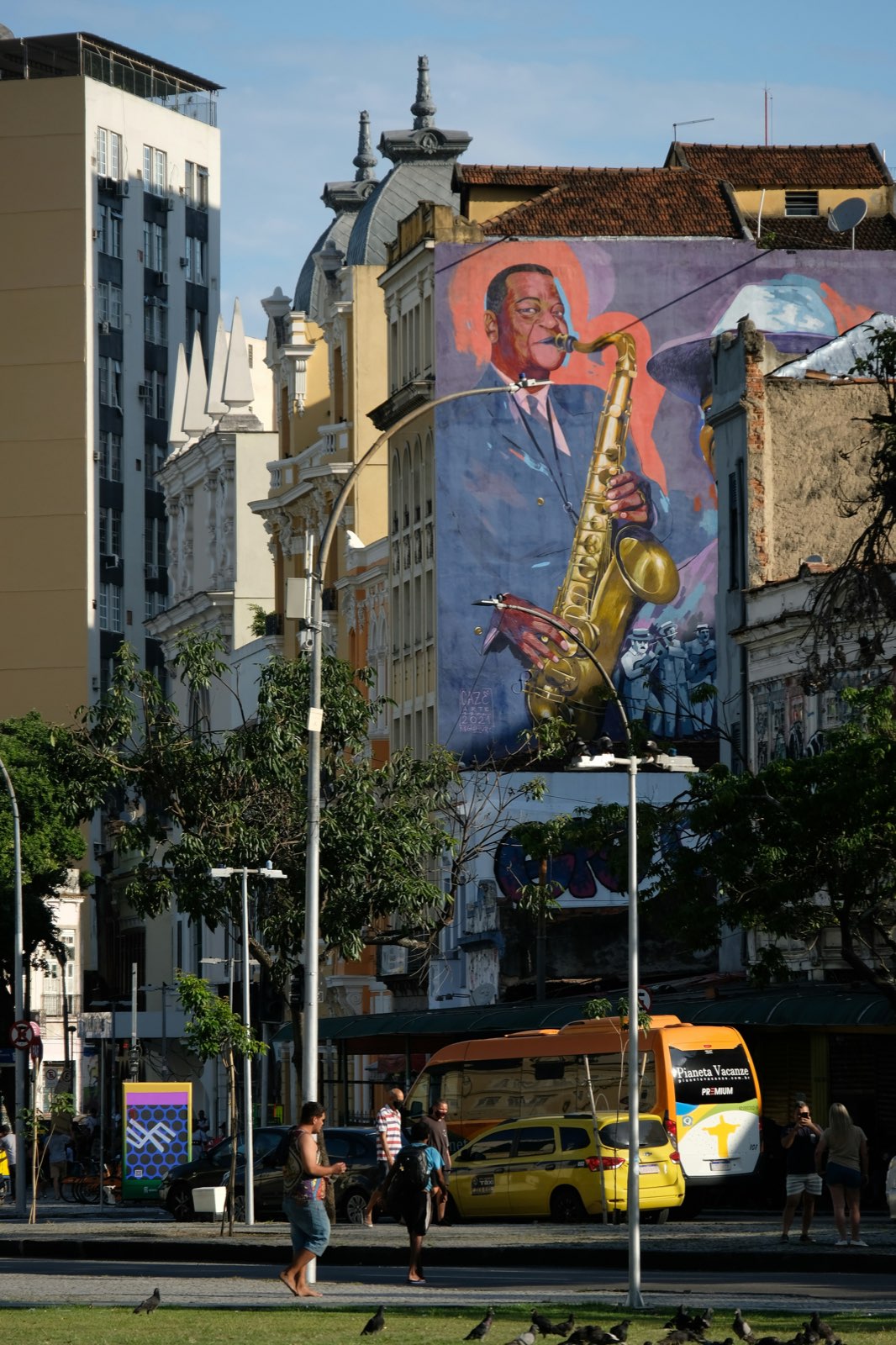
Mural of a saxophonist on a building above a city street

What it is

During the Lab, stakeholders map the people, skills, spaces, institutions, and investment that support local recording, then establish shared priorities for action.

Following the workshop, the LSRI produces a Local Recording Ecosystem Action Plan with prioritized, costed options for implementation.

Why recording matters

Making records together gives durable form to a city’s musical relationships.

When musicians, producers, engineers, and studios work together over time, they develop shared ways of listening, timing, arranging, and making decisions. Through those repeated relationships, musical community takes shape and a regional voice becomes audible.

Music policy usually focuses on what happens after music has been made: venues, festivals, tourism, and audiences. The Recording Ecosystem Lab begins with the people, skills, rooms, and working relationships through which the music of a place is actually produced.

Who it’s for

The Recording Ecosystem Lab is built for the people who plan and fund local music economies:

How the Lab works

1

Plan

LSRI and the local host identify partners, define the question the city needs answered, and develop the stakeholder survey and Lab agenda.

2

Convene

LSRI facilitates a working session with the people who make and support local recordings.

3

Analyze data

LSRI combines survey findings with what was learned in the Lab to identify local strengths, gaps, and shared priorities.

4

Deliver

The host receives a Local Recording Ecosystem Action Plan with costed options, potential partners, and the decisions required to move forward.

Participant stipends, venue, travel, accessibility, and other local costs are scoped with the host and identified in the engagement budget.

What the action plan contains

The Local Recording Ecosystem Action Plan gives the host a locally grounded basis for investment and implementation decisions.

  • Existing strengths and priority gaps
  • Recommended actions and their sequence
  • Potential partners and responsibilities
  • Budget and timeline options
  • Decision points and immediate next steps

Where this fits

A music census surveys the whole music scene, the musicians, venues, and audiences across a city. The Recording Ecosystem Lab looks at one part of that scene in depth: how recordings actually get made where you live. It maps the studios, engineers, producers, players, and the skills and spaces that turn a local performance into a finished recording.

A city can run the Lab on its own, or alongside a broader music census to go deeper on the recording economy specifically.

The climate case

A city can build recording capacity collectively rather than duplicate it one bedroom at a time.

Shared studios, equipment, repair capacity, and local production resources may reduce repeated purchases, shipping, packaging, and waste. The Lab identifies where collective investment could make local recording infrastructure more affordable, useful, and resource-efficient.

Who leads the Lab

The Lab is led by Jeffrey Anthony, founder and director of the Musical Form Institute. He brings 25 years of experience as a touring and session musician, record producer, and studio owner, along with an MPA and graduate training in collaborative governance.

As Economic Competitiveness Officer for the City of Tucson, he served as project manager for the city’s successful $500,000 Phase 1 application to the U.S. Economic Development Administration’s Build Back Better Regional Challenge. He managed the regional planning process that brought municipalities, educational institutions, economic-development organizations, industry partners, and community organizations together to develop a coordinated strategy for climate adaptation and economic resilience across Southern Arizona.

He also created and led a supplier-diversity anchor procurement initiative designed to redirect institutional spending toward local businesses. The project and his approach to community wealth building were featured by the National League of Cities.

He developed the Recording Ecosystem Lab to apply this combination of recording-sector knowledge, collaborative planning, and regional economic-development experience to the infrastructure through which local music is made.

Founding partner

Bring the first Lab to your city or region

LSRI is seeking a city, regional organization, or multi-partner coalition to host the first Recording Ecosystem Lab. The engagement will be shaped around the partner’s local question, stakeholders, and investment context.

Start with a 30-minute conversation about local fit, partners, scope, and funding.

Further reading