
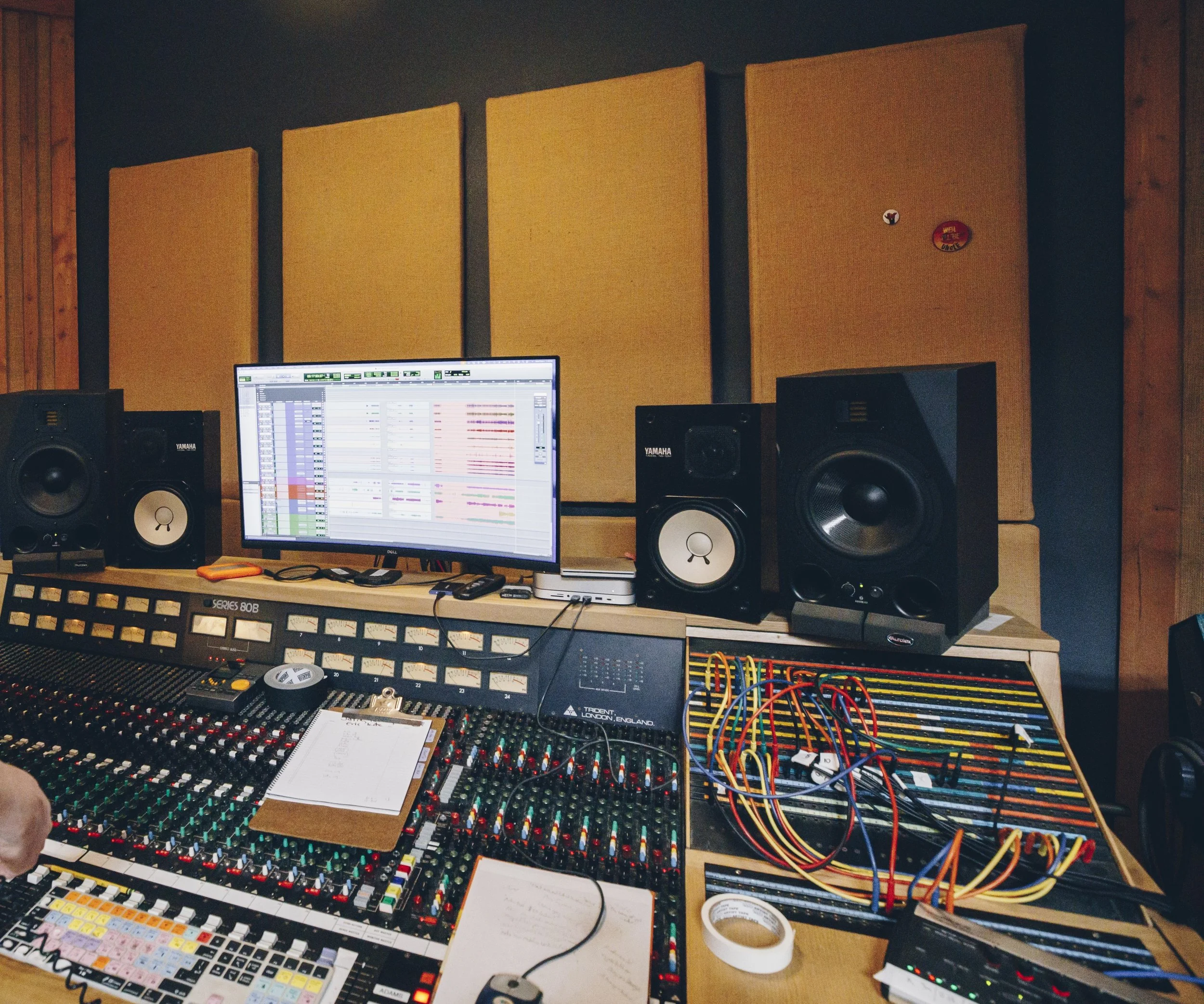
Certificate of Embodied Production (CEP)

The Certificate of Embodied Production certifies sound recordings made without grid correction, pitch correction, or any use of AI.


Pilot program. Certification mark application pending.


What The CEP Verifies

What The CEP Verifies

CEP verifies that a recording’s musical timing and expressive decisions were preserved as performed, without post-production techniques that overwrite the performance.

To qualify, the production must meet these core requirements:

Standards for Certification

  • No grid-based timing correction (quantizing, Beat Detective, aligning hits to the grid after the fact)

  • No pitch correction (Auto-Tune, Melodyne, or comparable tools on vocals or instruments)

  • No generative AI used for musical content (melody, harmony, lyrics) or for performance synthesis

  • No editing practices that collapse the temporal integrity of the performance

  • No “infinite undo” workflow where decisions are endlessly revised instead of committed

What The CEP Allows

What The CEP Allows

CEP is not anti-technology.

It does not require a “live-to-two-track” philosophy. The following are compatible with CEP, as long as the core requirements above are met:

  • Multitrack recording and overdubbing on any medium

  • Punch-ins are allowed and encouraged. Comping (swapping sections from multiple takes) is not

  • EQ, compression, reverb, delay, saturation, and other effects

  • Mixing, mastering, and standard delivery formats

  • Editing for cleanup that does not alter timing and pitch in a corrective way

What The CEP Does Not Do

What The CEP Does Not Do

The CEP Does Not:

  • CEP does not evaluate artistic quality, genre, or commercial merit

  • CEP does not certify engineers, studios, or labels

  • CEP certifies recordings only, based on the production criteria above

Why

Why The CEP Matters

A healthy society depends on people coordinating across difference. Music is how we learn to coordinate across difference. The Certificate of Embodied Production exists to promote and mark recordings that preserve human timing and decision-making, so we can regain access to the forms of feeling through which coordination becomes perceivable, imaginable and actionable.

Over the last two decades, recording methods optimized for speed and polish have made "perfect" sound the default. In that shift, the expressive knowledge carried by embodied performance has been flattened into a machine-perfect grid, subtly training us to expect perfection from each other in our day-to-day lives. The CEP is a corrective to this crisis of gridification and democratic coordination.